Through the Gospel of Jesus Christ, we bring hope and salvation to those who need it. We are committed to spreading this message of hope and love to all corners of the world, and we strive to be a beacon of light for those who are lost.
We believe that this is the ultimate mission given to us by Christ, and we are dedicated to passionately pursing it to bring the hope of the Gospel to all who are in need.
1. Church Planting
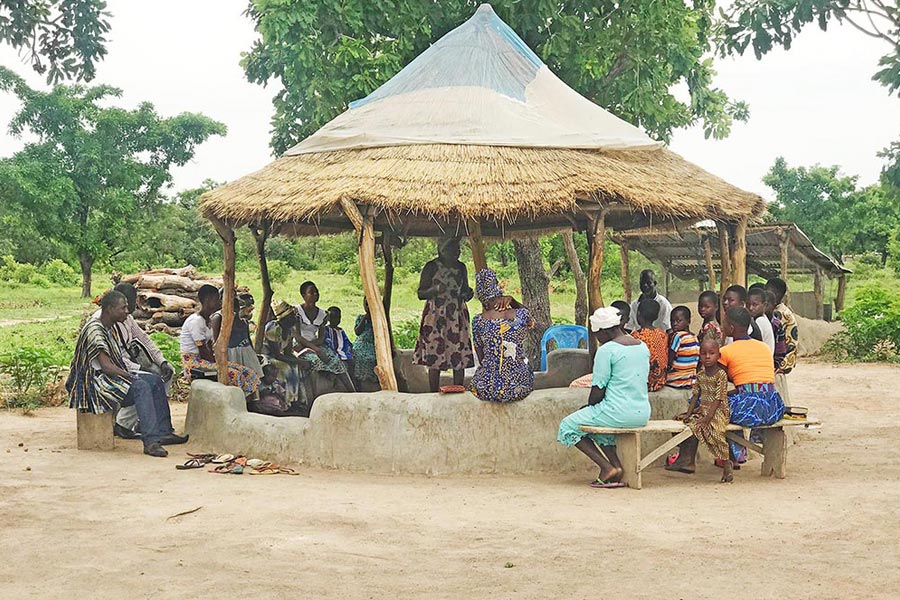
From its inception till now, Christian Outreach Fellowship continues to stay true to its founding vision by deploying indigenous workers to serve the unengaged and unreached people groups in deprived communities in Ghana. Over the years, God’s grace, coupled with the determination of our workforce and the support of our partners, have resulted in the in the planting of one thousand churches with close to fifty thousand discipled converts.
Our church planting approaches include audio Bibles, person-to-person contacts, mass evangelism, radio ministry, and distribution of usable clothing and tracts.
We have planted churches for The Assemblies of God, Ghana; The Ghana Baptist Convention; The Evangelical Presbyterian Church, Ghana; The Church of Pentecost and others.
2. Training
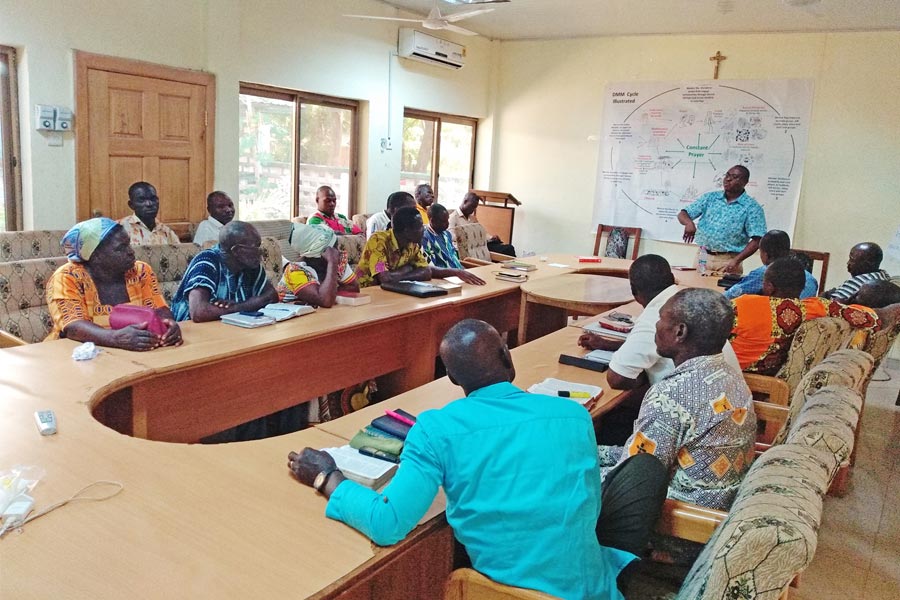
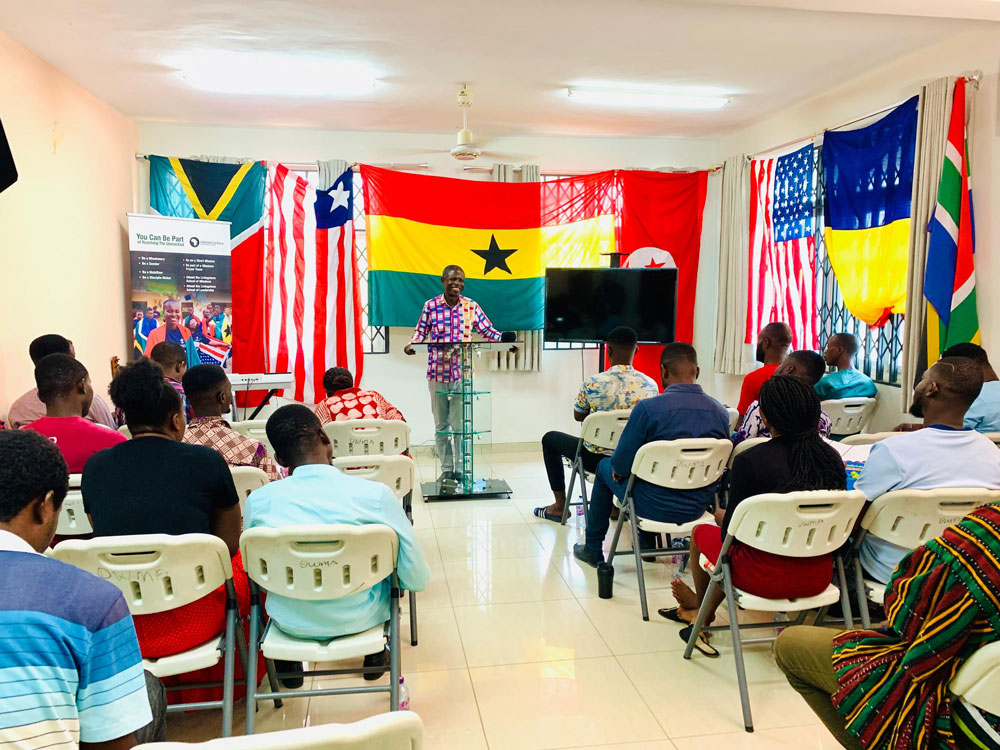
To ensure a quality workforce and grow healthy churches, we conduct periodic training programs for our missionaries/church planters on topics spanning effective church leadership, micro-finance and family life. We currently have over hundred trainee church planters under the Timothy Initiative; 2Timothy 2:2 training model – a grassroots modular training scheme.
3. Audio Bibles Ministry
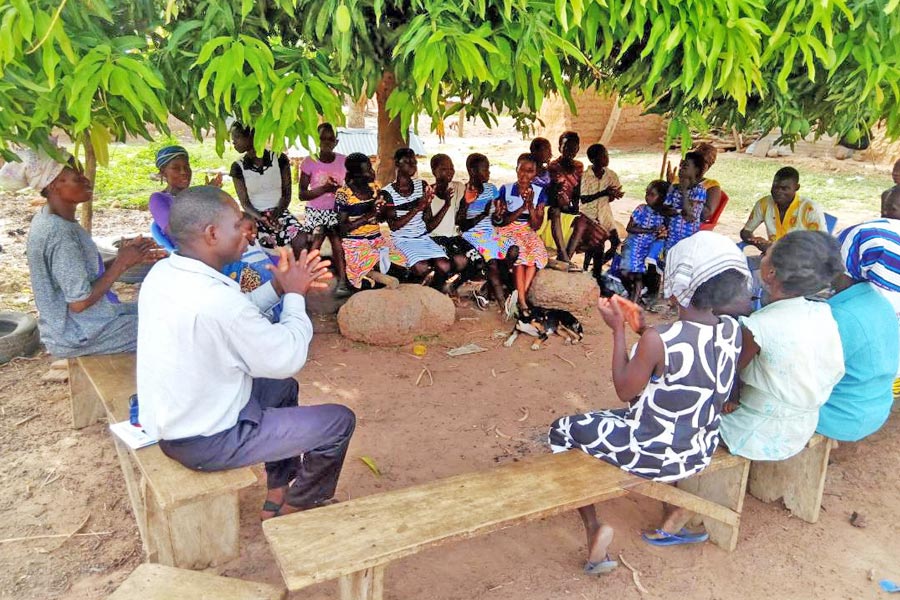
COF has partnered with The Regeneration Center (TRC) to distribute audio Bibles to its mission fields. The audio Bibles are mostly in the mother tongue of the people we minister to.
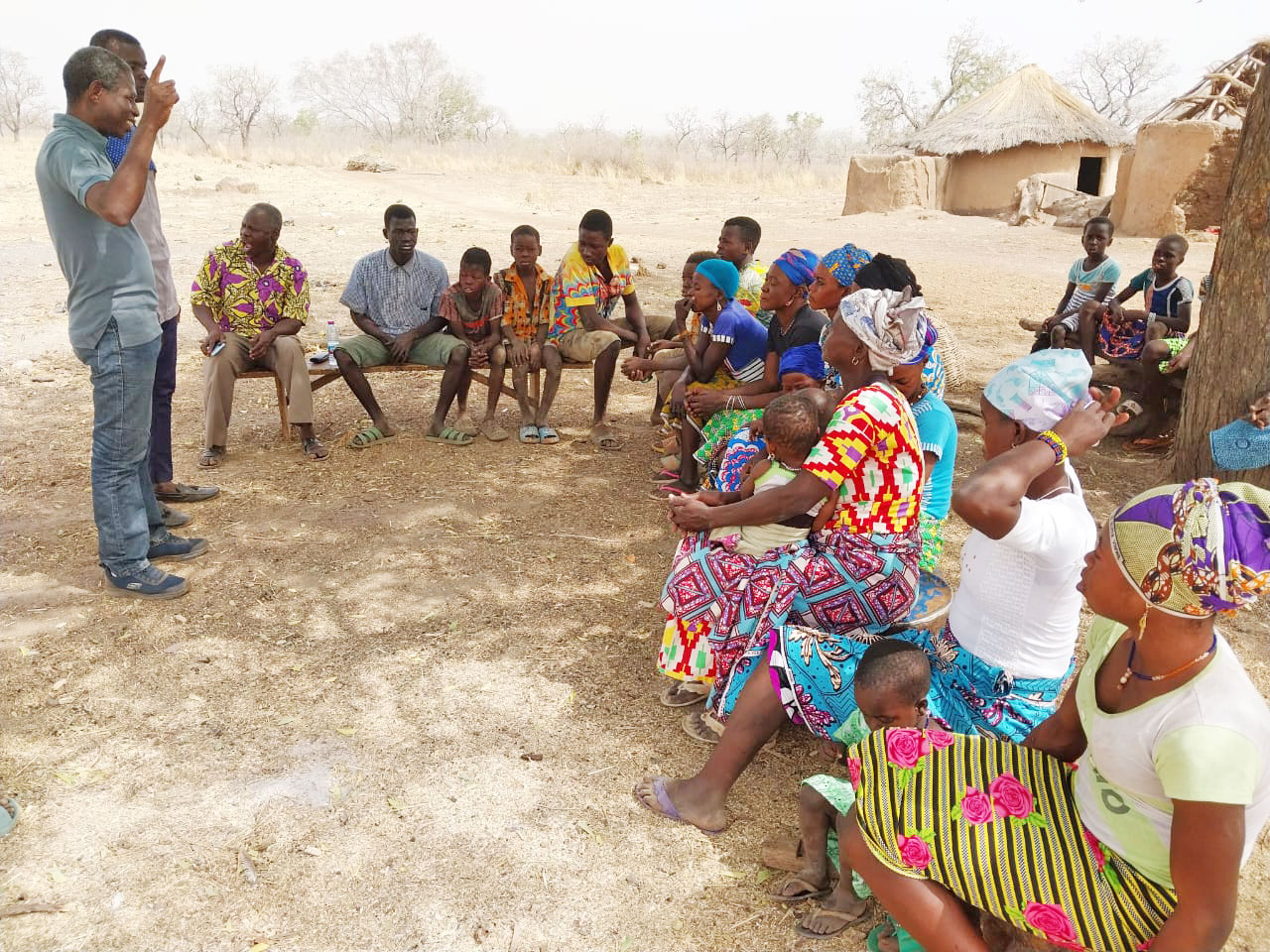
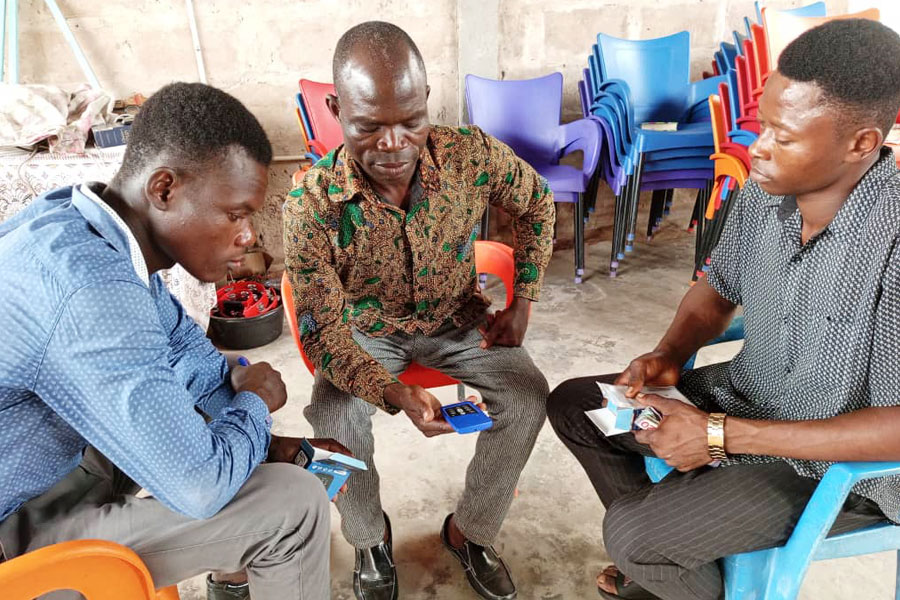
Missionary Makate (center) teaching some members of the Audio Bible discipleship group how to operate the Audio Bible.
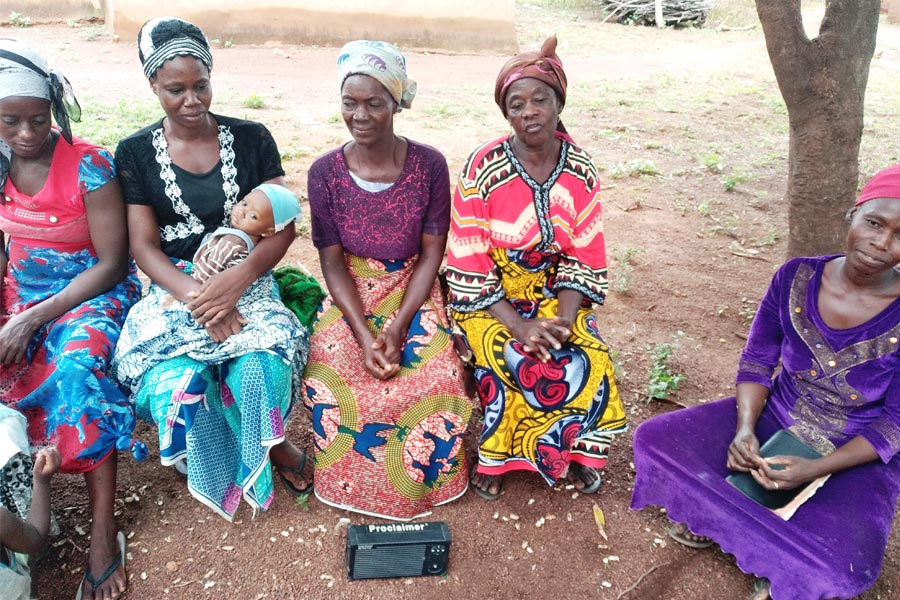
An all women audio bible listerning session.
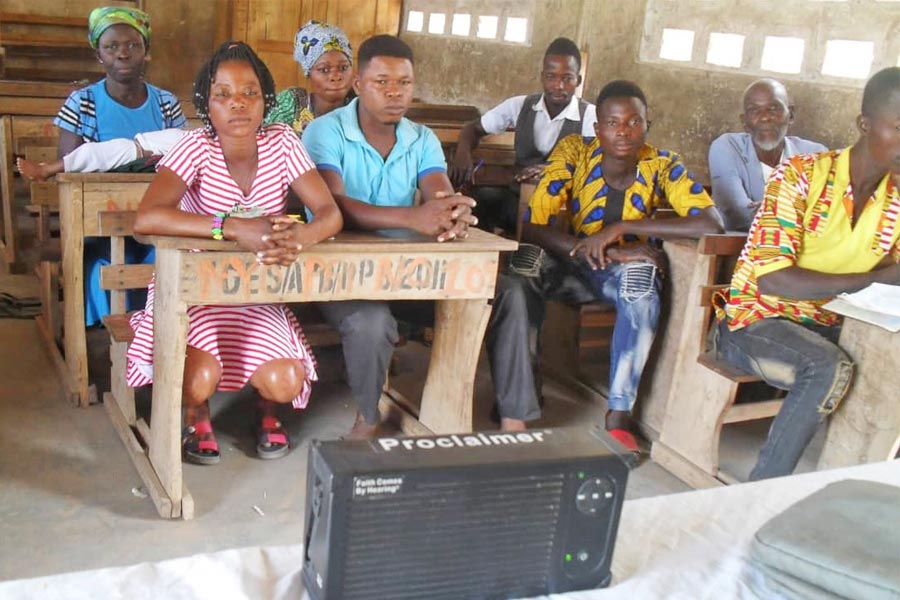
Members of the Nyomoase church listening to the Audio Bible in the konkomba language.
4. School Projects
The William Ofori Atta Memorial Vocational School, Bawku
This school is both a vocational and senior high school located in Bawku in the Upper East Region. It was founded to give vocational training to the youth, especially girls. Because of the school, girls who would have otherwise been victims of child marriage have access to education and acquire vocational skills to be gainful employed.
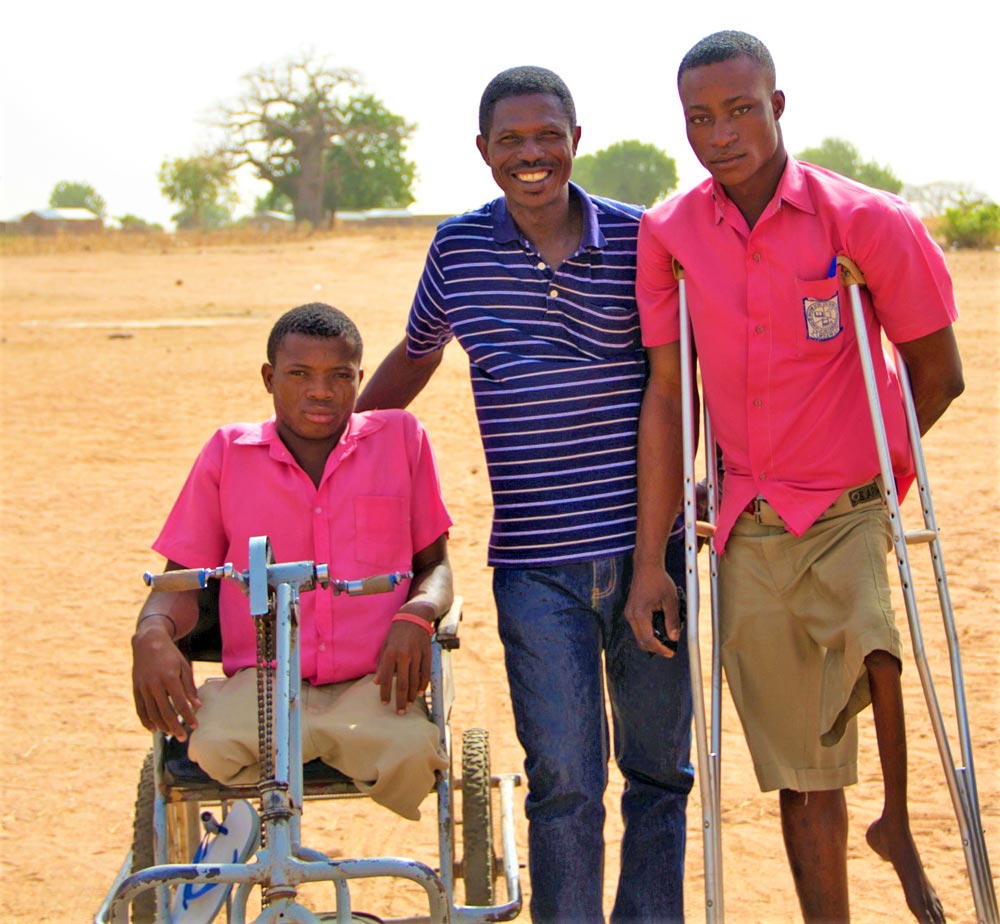
Sidabur (in wheel chair) during his days at the Bawku Vocational Center.
The Jangbarayili Primary School, Jangbarayili
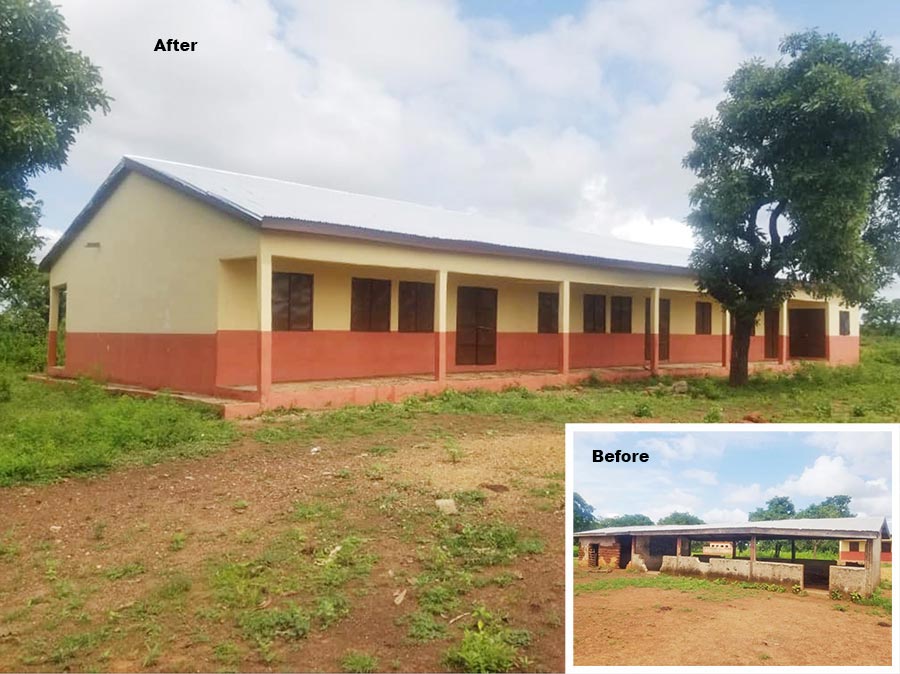
This school was started in 2009 by COF to provide a shed to train adults in literacy, but has now developed into a full-fledged school for children in Jangbarayili. Until that time, the community had no school, and as such, there was no literate person from that community of peasant farmers.
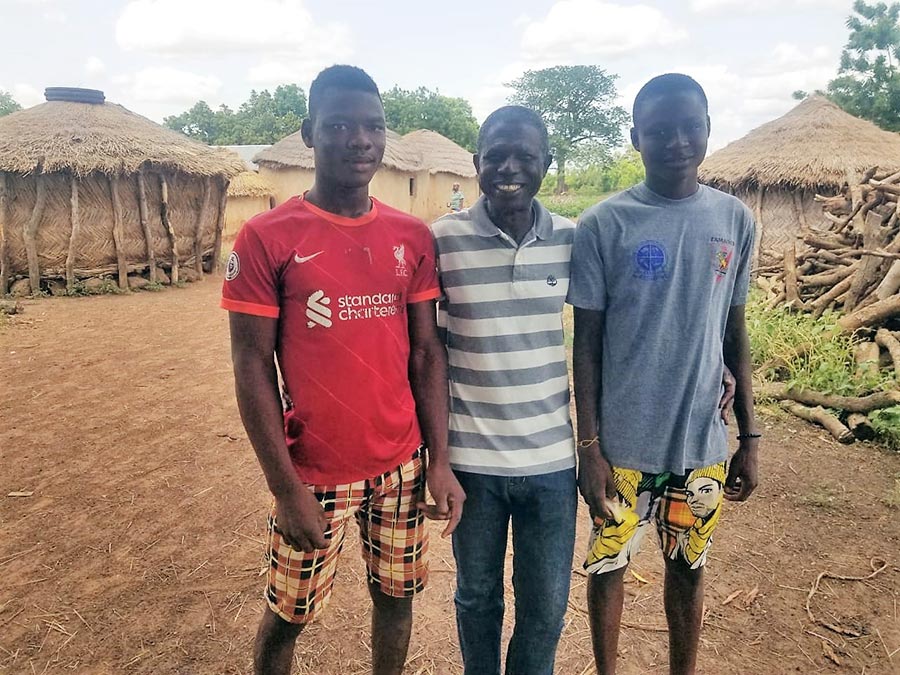
Emmanuel (COF's immediate past Executive Director) with Wahab Amadu and Abdulai Yakubu, past students of the Jangbarayili basic school initiated by COF who are now tertiary students.
The Jangbarayili School before and after.
Wahab trying to recognize their mates by their names in the COF photo album which has pictures of the Jangbarayili basic school.
The William Ofori Atta D/A Primary and Junior High School, Dama-Nkwanta:
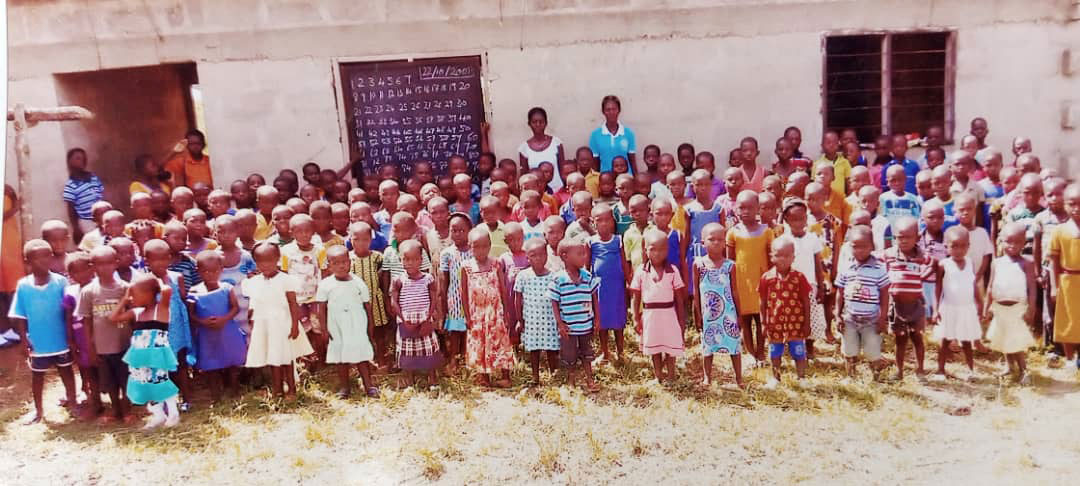
This school was established in 2013 by COF and was later transferred to the government. It has a population of about 646 pupils with 14 teachers. 147 pupils are in kindergarten, 404 in primary, and 95 in JHS.
1st batch of pupils enrolled in the 2013/2014 academic year.
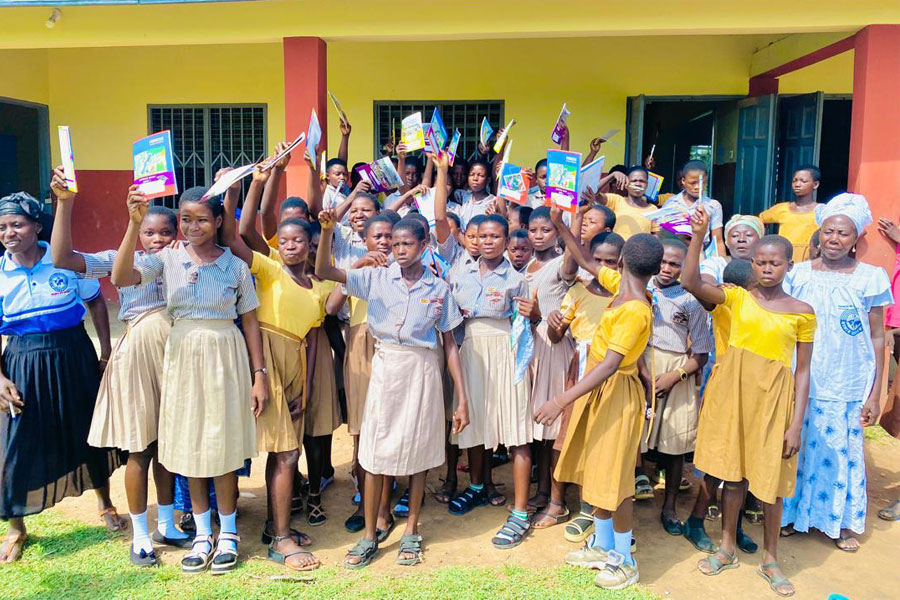
The August 2023 BECE candidates from the William Ofori Atta JHS
A water reservoir supplying the school with running water.
The Shalom Academy, Buipe
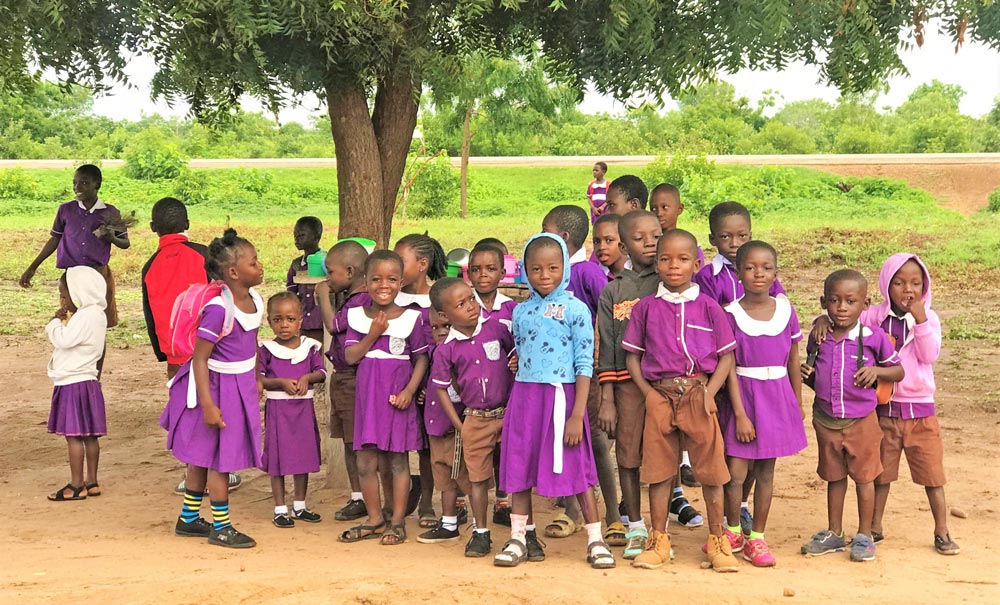
This school was established in May, 2017 by our missionary couple serving among the Fulani people in Buipe as a bridge in ministering to the Fulani community in Buipe. It currently runs from nursery to JHS two, with a population of about 300 Pupils and 6 teachers.
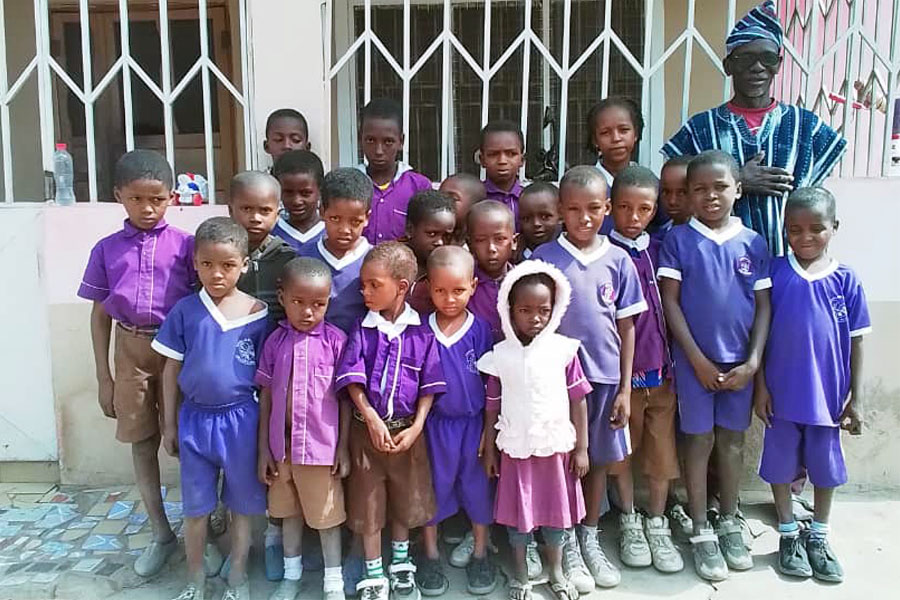
Issah Gyani with Pupils of the Shalom Academy.
Pupils of Shalom Academy at SU camp 2026.
Pupils of the Shalom Academy.
Kwalwogo Community School, Binaba
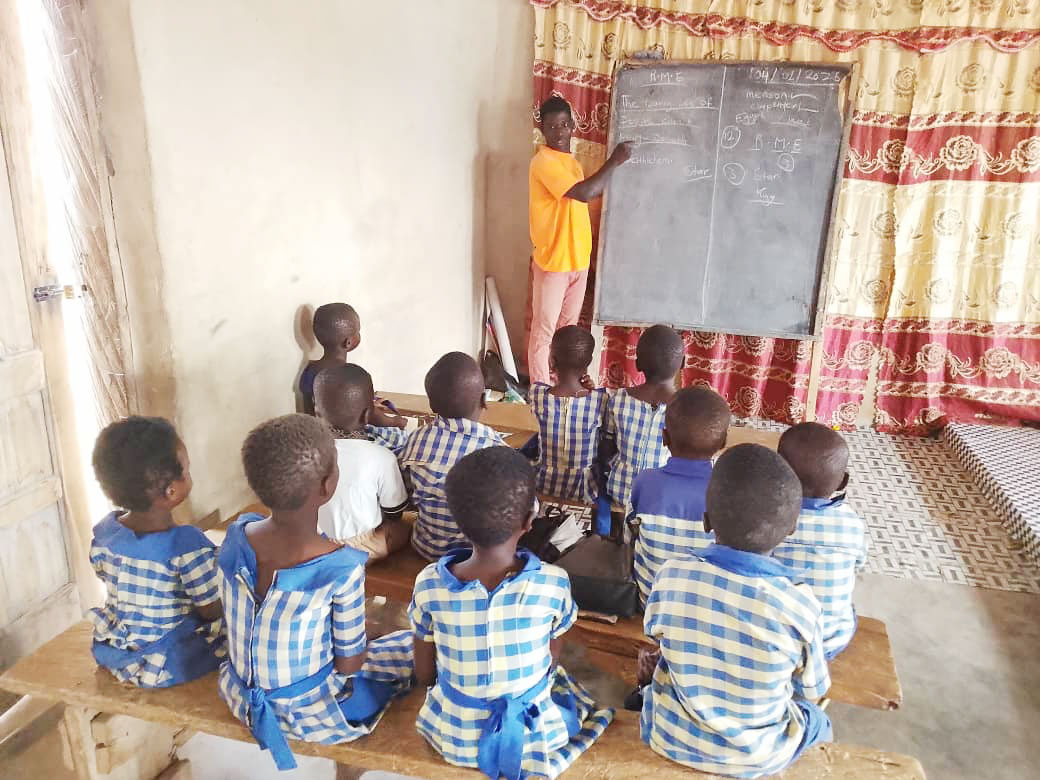
It was established on February 12, 2024, by Missionary Kofi Samson Vogne and his team to meet the educational needs of children in the community. It currently has a population of 35 pupils with 3 teachers and runs from kindergarten to primary 2.
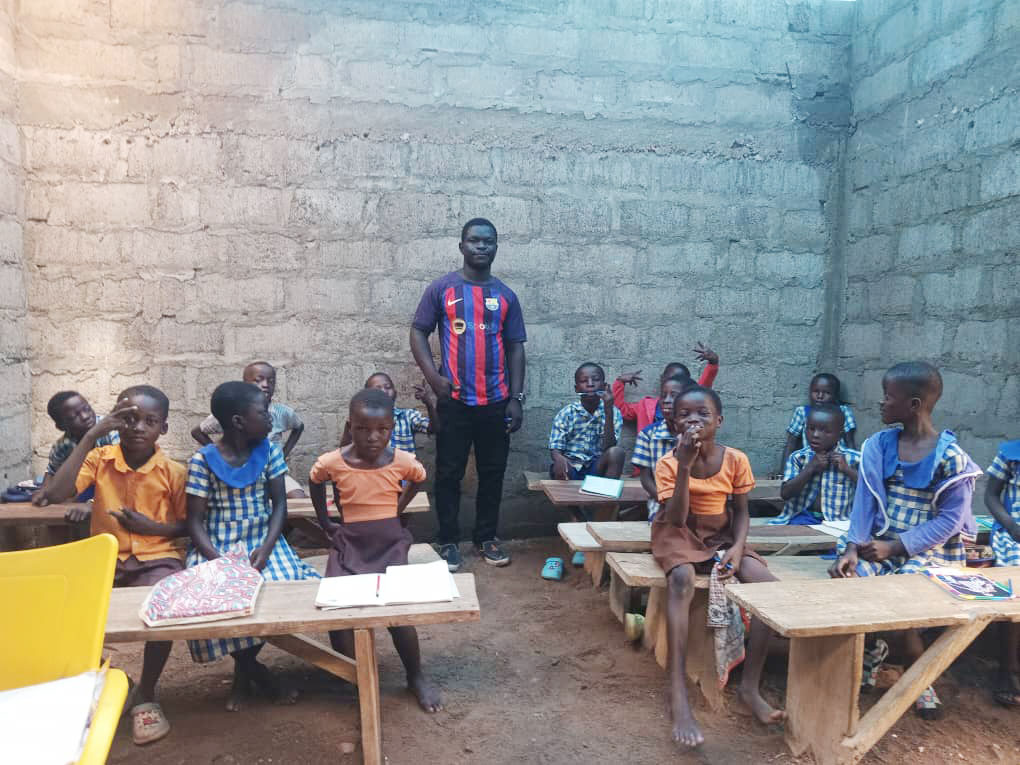
Pupils of the Kwalwogo community school, holding classes in the Chapel.
Pupils of the Kwalwogo community school, holding classes in the Chapel.
Pupils of the Kwalwogo community school, holding classes in the partially completed school building.
Hope Academy, Gushiegu
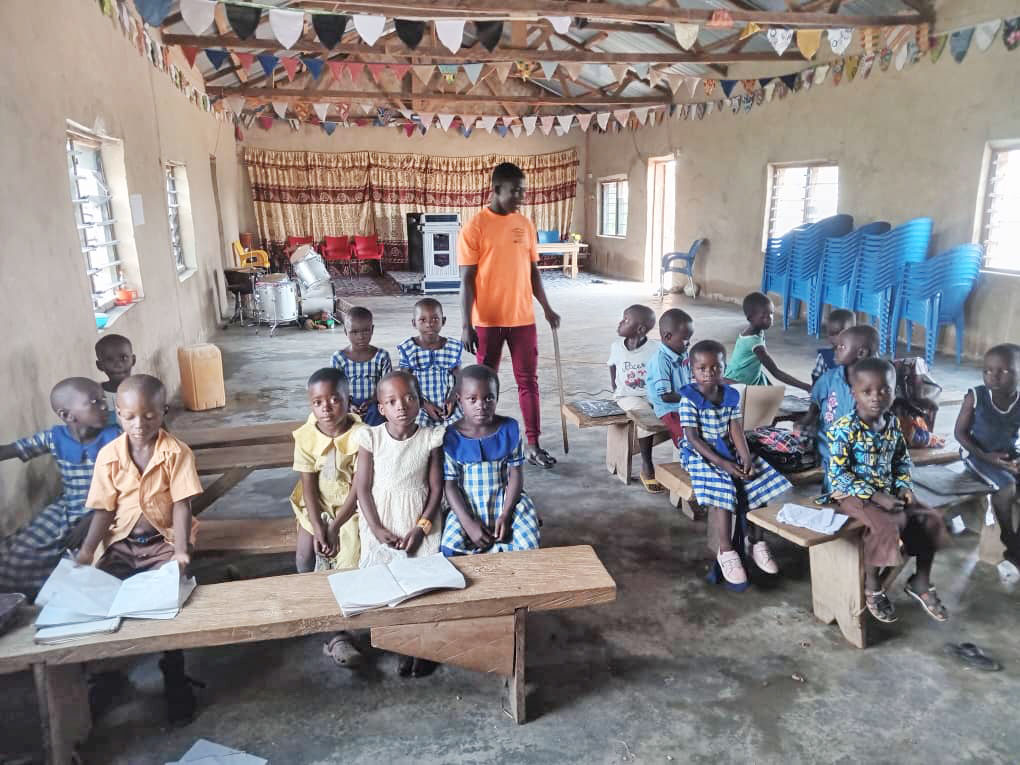
This school was established in September, 2024 in Mang, where the community lacked access to quality education. It has a population of 72 pupils with 2 teachers and runs from kindergarten to primary 1. Currently, the church auditorium is being used to conduct classes.
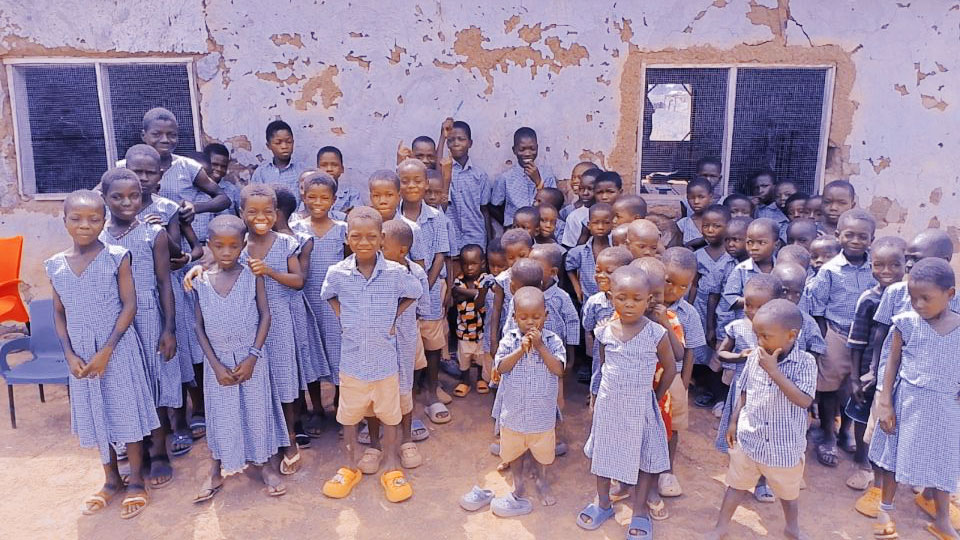
In a pose are the pupils of Hope Academy.
In a pose are the pupils of Hope Academy.
Pupils of Hope Academy, holding classes in the chapel.
5. Logistical Support
Motor Bicycles
Motorbikes are a valuable resource in mission work. They give missionaries and workers easy mobility as they spread the gospel in their communities and nearby areas, making what could be a difficult task, manageable. Additionally, they help missionaries respond to calls by providing transportation for the sick who need medical attention at clinics or hospitals in towns during emergencies.
By the generosity of our partners, we have been able to provide motorbikes to our missionaries in our various mission fields, which enables them to spread the Gospel of Jesus further.
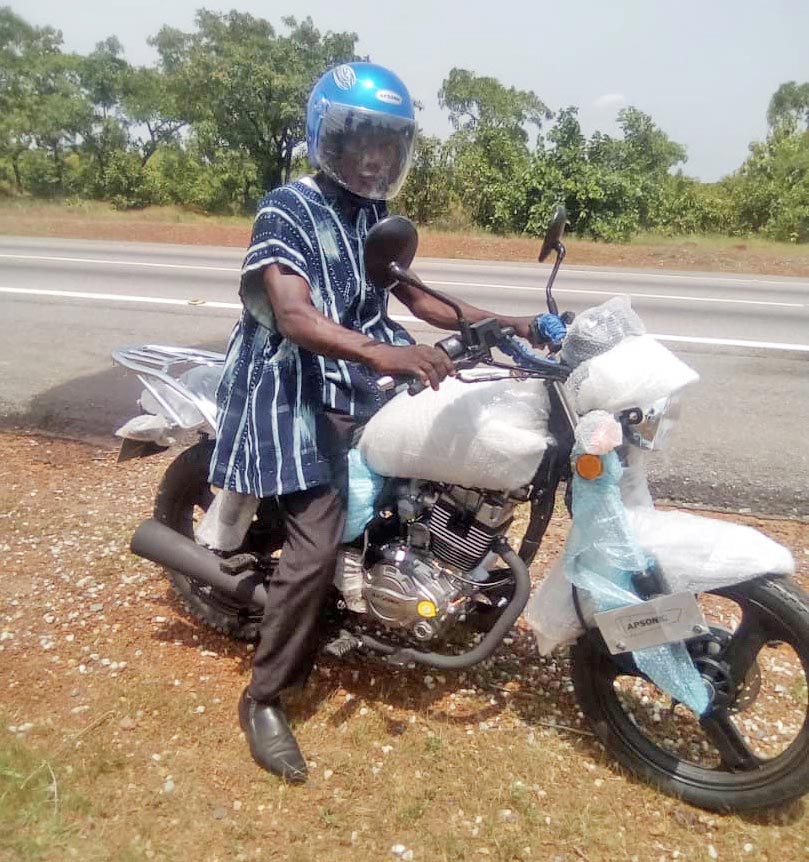
Issa Gyani with his bike.
Joshua Namuteh with his new motobike.
Elisha with his motorbike.
6. Socio-cultural Interventions
We advocated & cared for women accused of witchcraft at the Nabuli camp.
We helped in banning the Trokosi system in the Volta Region
We distributed over 10,000 shoes to school children
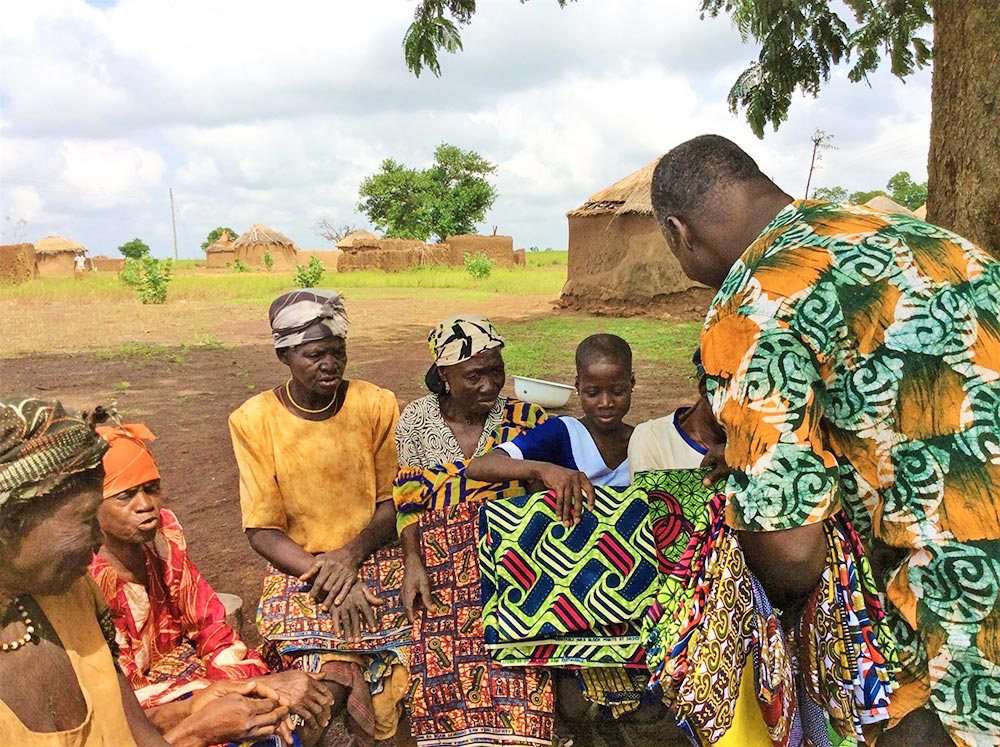
Distributing wax prints to the women acussed of witch craft at the Nabuli Camp.
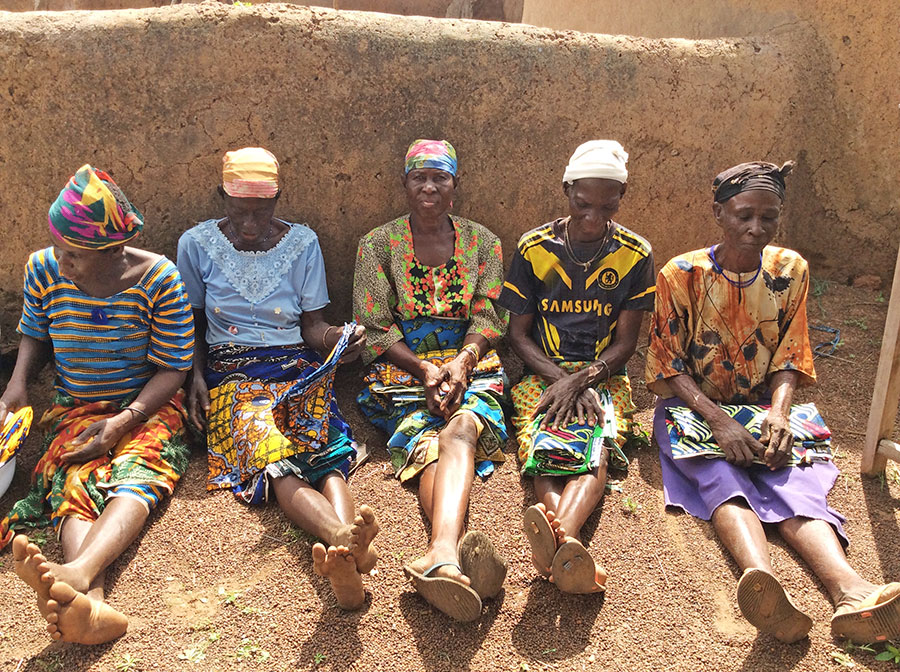
Women acussed of witch craft at the Nabuli Camp admiring the gift of wax prints received.
Rehabilitation of Alleged Witches.
7. Economic Empowerment
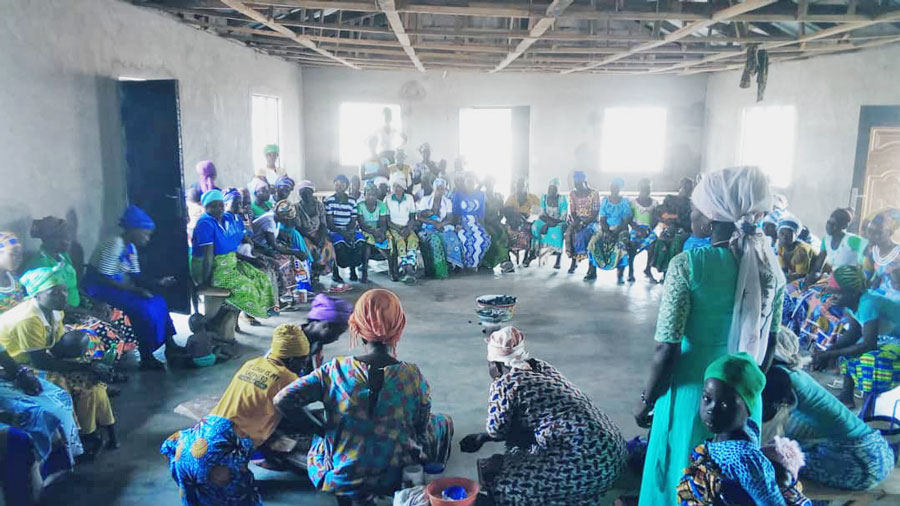
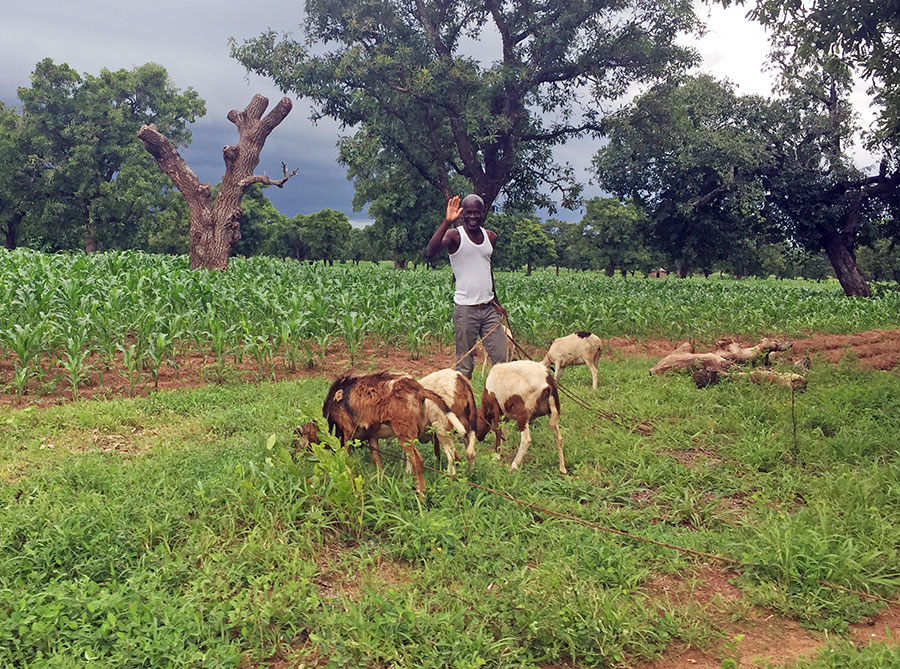
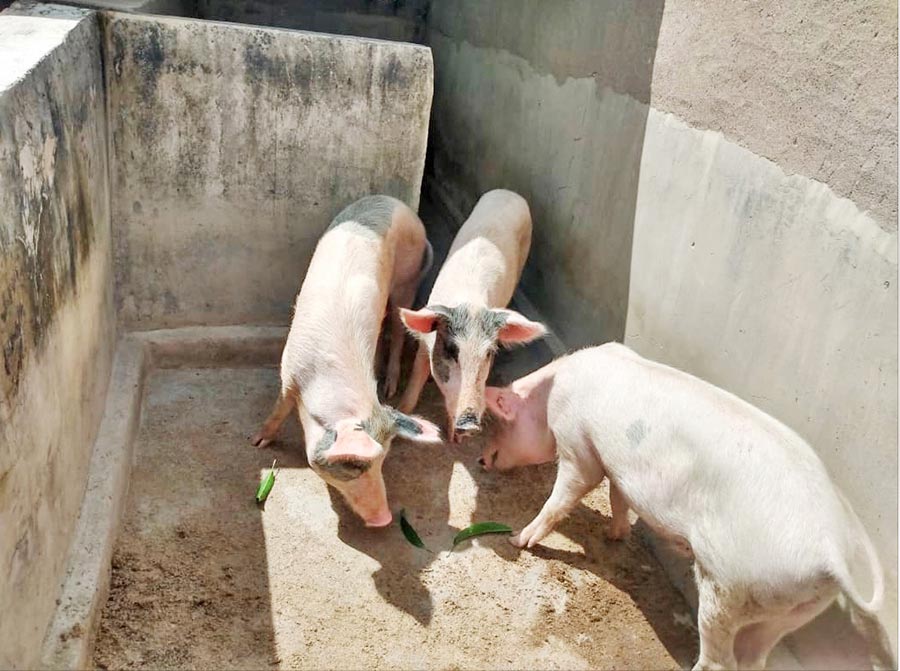
Life is very difficult in the unreached places where we work. To improve the livelihood of our workers, the ministry offers them various economic empowerment packages, some of which are the animal husbandry project, where our workers are given livestock, e.g., goats, sheep, pigs, or bullocks, and ploughs for their farm work. We also give micro-financial assistance to enable our missionaries, their families, disciples, and new converts to run their micro businesses like food vending, among other things.
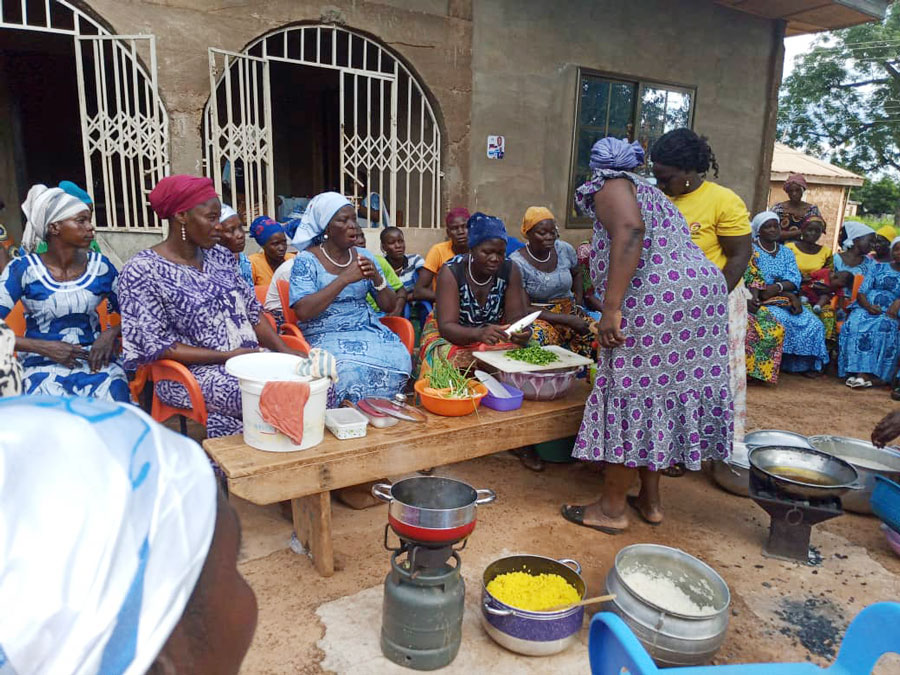
Training session on small scale food business for women.
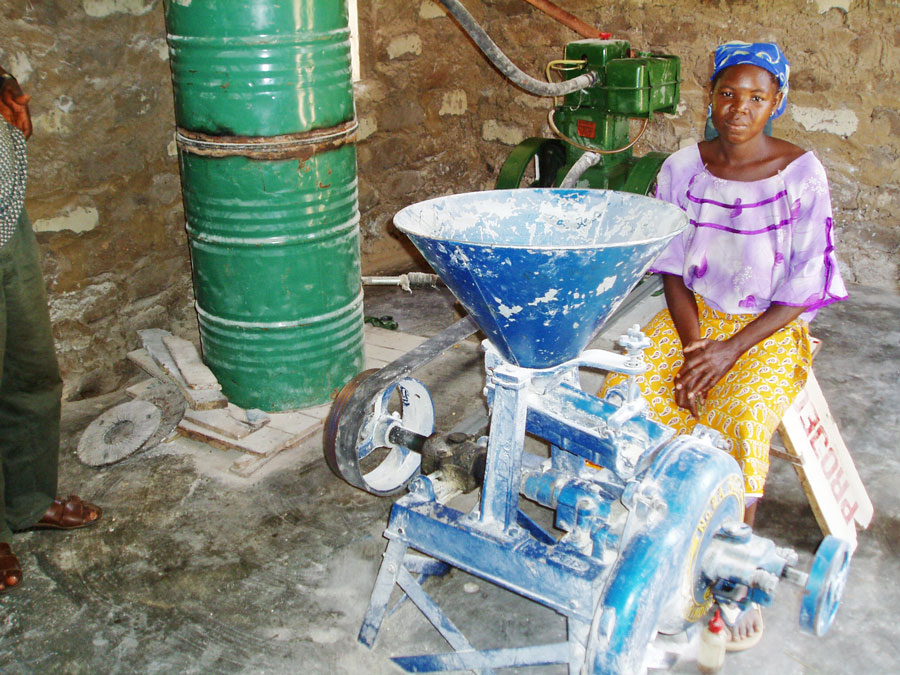
Providing grinding mills to our missionary families to support their livelihood and sustainable income.
Soap and local drinks training at Gushiegu for women.
Kofi Yakubu checking on his sheep in the pen.
Animal-Husbandry
Animal-Husbandry
8. Church Mobilisation
Mobilizing several hundred Christians to take their place in the cause of the Gospel through our mission awareness programs in churches anchored on this three-pronged approach: Remain. Do. Support (RDS).
9. William Ofori Atta Missions Centre Project
The Centre is a 20-bedroom facility with a 200-seater conference room and two mini-conference rooms that seat 50 and 30, respectively. Construction began in December 2010 after the Centenary celebrations of Mr. William Ofori Atta, one of the “Big Six” and COF’s first National Director.
The William Ofori Atta Missions Centre was commissioned in May, 2024 to the glory of God. The Centre serves as the primary training hub for our missionaries and the central office for our ministry. We also welcome the public to utilize the venue for individual or group conferences, retreats, and workshops.